How We Built a Workforce Platform Running 6,500+ Guards Across 900+ Sites
A multi-state security company came to us with spreadsheets, paper muster rolls and a month-end that took over a fortnight. This is how we built the platform that now runs its entire operation.

Capt. Sanjay Saket
Chief Operating Officer · Global Operations & Risk Strategy
The starting point
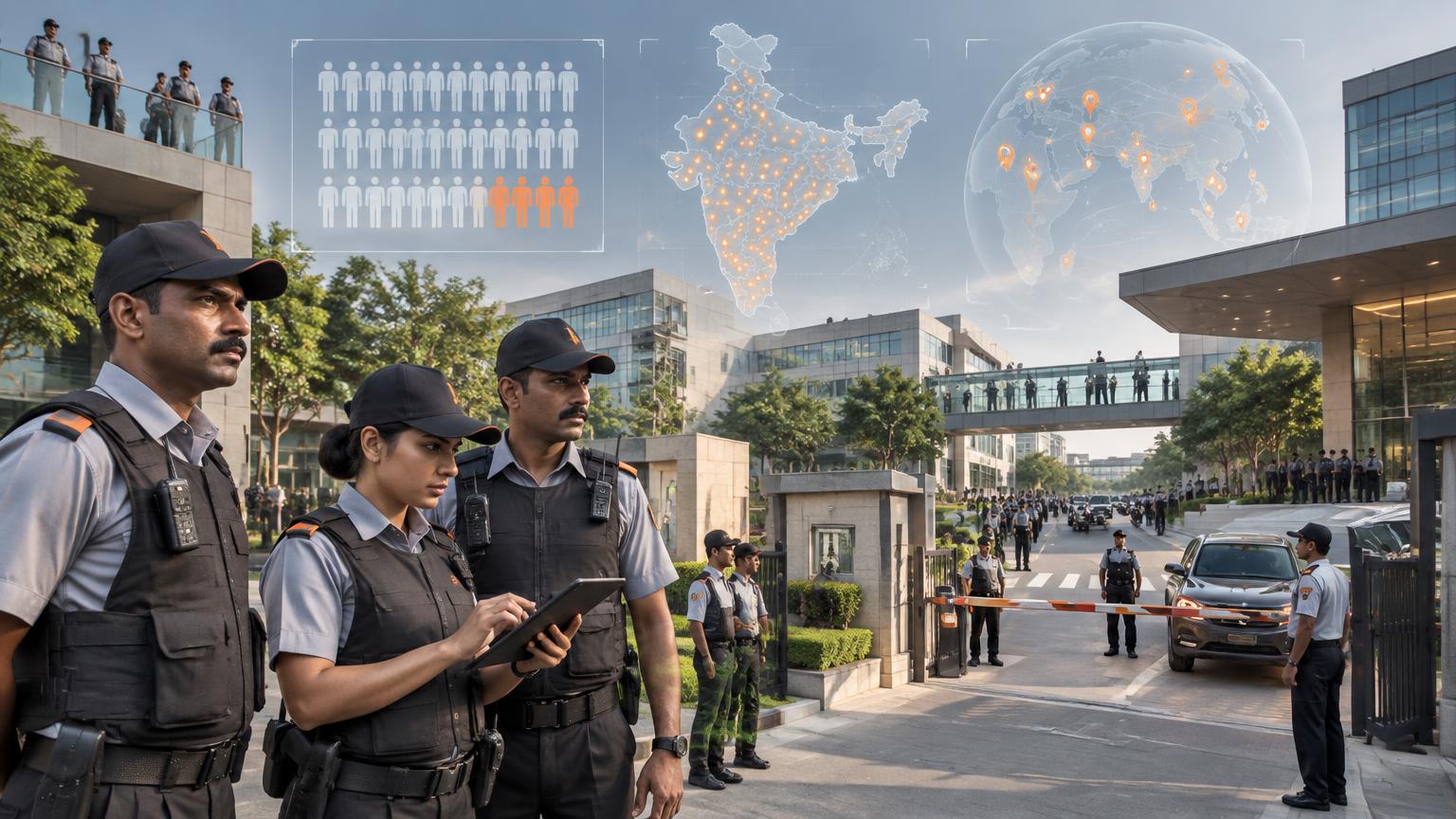
Our client runs guarding and facility services for banks, factories, campuses and offices across 19 states. When we met, attendance arrived as photos of paper muster rolls on WhatsApp. Payroll lived in one set of spreadsheets, invoices in another, and the two were reconciled by hand every month. Uniforms were tracked in registers, and field officers' visits existed only as call logs.
The owner's ask was blunt: I want to know, on the 26th, that every site is approved, every guard is paid right, and every client is billed — without a war room.
Sixteen modules, one data model
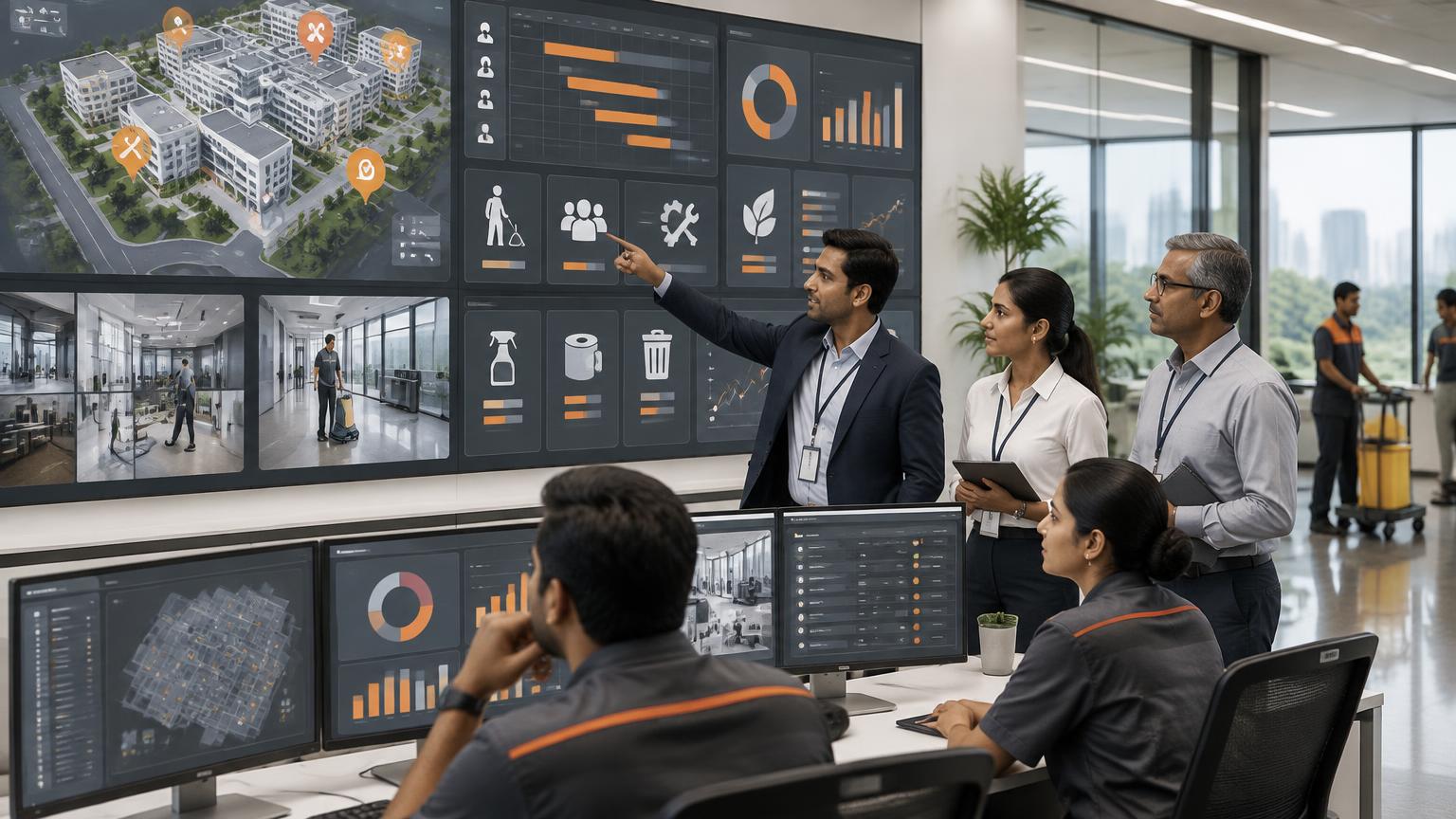
We connected organisations and sites, contracts, onboarding, attendance, payroll, invoicing, compliance, uniforms, Radar, fleet and assets, role-based access, and mobile apps in one data model. Each module shares the same people, sites, contracts and approved operational records.
Attendance is the single source of truth
We refused to let payroll or invoicing read anything except approved attendance. A sheet moves Draft → Submitted → Approved, and once approved it locks. If a correction is needed after salaries are paid, it becomes an amendment: version 2 is approved, and payroll posts only the difference. This single rule eliminated the most common class of month-end dispute.
Every business rule is data
Payroll windows, the payroll-days basis, attendance codes, allowance heads, cost components, PT slabs, LWF schedules and billing types all live in configuration masters, not in code. When a state revises its Professional Tax, the finance team edits a slab. No release needed.
Hard caps and security live in the database
A contract on a fixed-26 basis cannot have 28 present days. We enforce this in the database so no import, script or bulk edit can break it. Surplus days convert to Extra Duty. Row-level security means a field officer's phone can only read the guards and sites mapped to them, while approve rights stay separate from edit rights.
Mobile for the field, desktop for the office
Guards and field officers work on phones with patchy networks; HR and Finance work on large screens with big tables. We shipped native iOS and Android apps with biometric login and push notifications for the field, and a dense desktop console for the office — one codebase, one backend.
What changed for the business
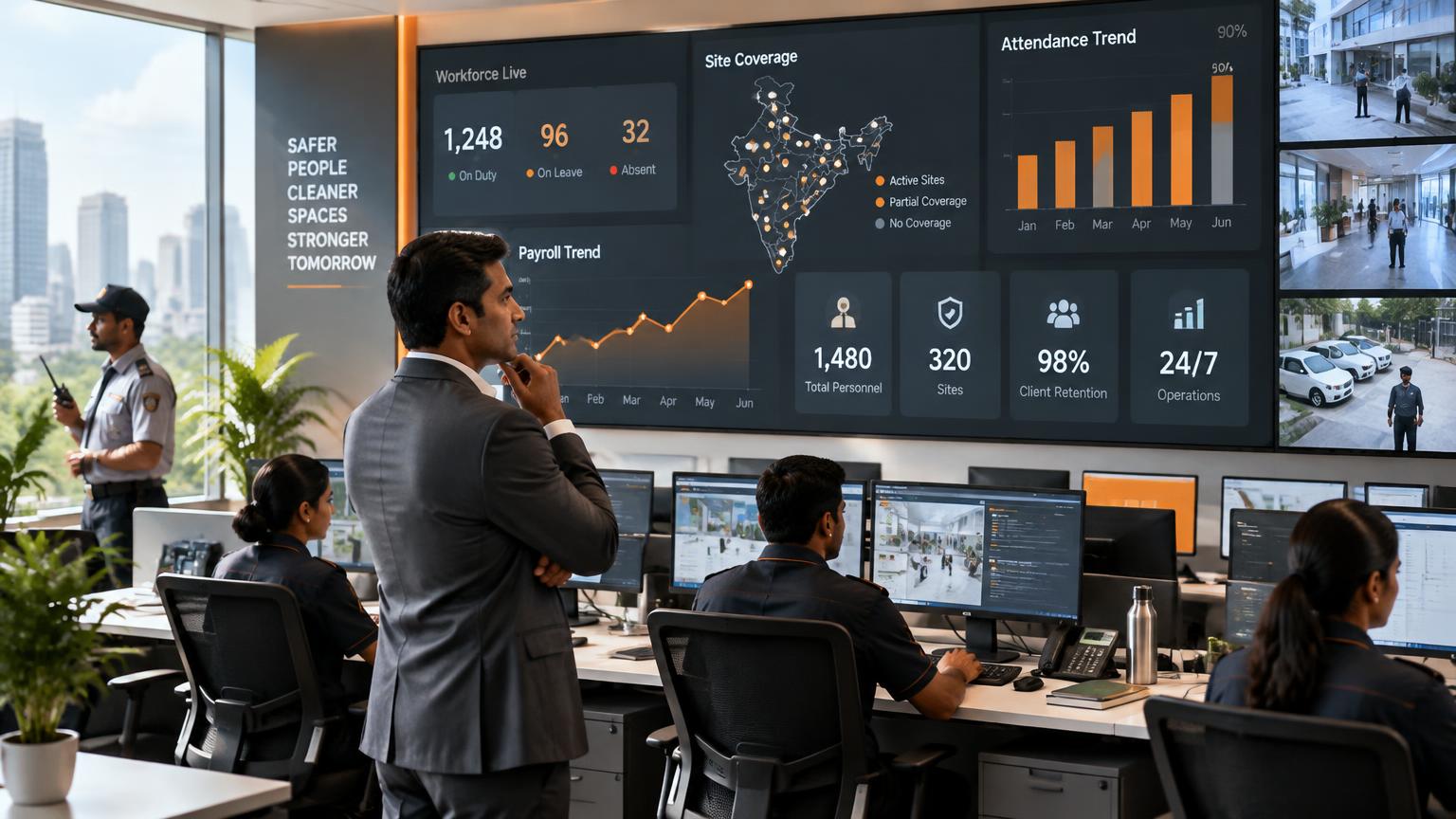
Month-end became a checklist, not a war room. Billing leakage became visible while the month was open. PF, ESIC, PT and LWF registers filled themselves from processed payroll. Forty-plus field officers became visible on a live map, with client-rated visits and kilometres feeding travel reimbursement.
Lessons for anyone building vertical software
Model the month-end first; screens come later. Put legal limits in the database, not the form. Design reject, reopen and amend paths as carefully as the happy path. Give each role the smallest possible app. Ship to a real site in week six, not month six — production data finds the rules nobody wrote down.
Topics & keywords
- custom workforce management software development
- security guard software case study
- payroll software architecture
- build workforce app India
- Hyper Ops
- HyperRevamp
Key Takeaways
- Model the operational close before designing screens.
- Make changing business and statutory rules configurable data.
- Enforce critical caps and access controls where the data lives.
- Design the exception path as carefully as the happy path.
Frequently asked
How long did the first release take?
Core modules went live first, with inventory, fleet and Radar following in iterations. The platform has shipped continuously since.
Can the same platform be set up for another agency?
Yes. Because every rule is configuration, a new agency brings its own contracts, states and payroll windows without code changes.
Where is the data hosted?
In AWS Mumbai, with optional warm-standby disaster recovery in AWS Hyderabad.